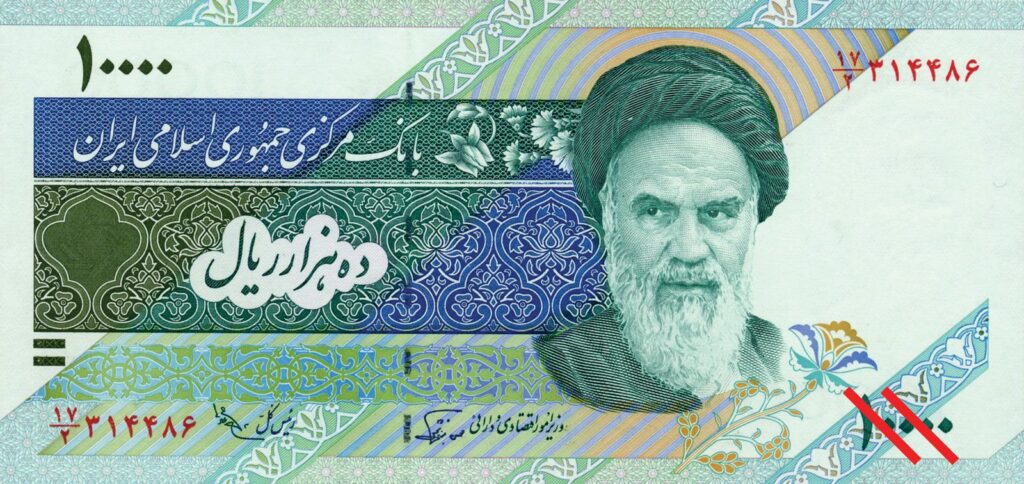
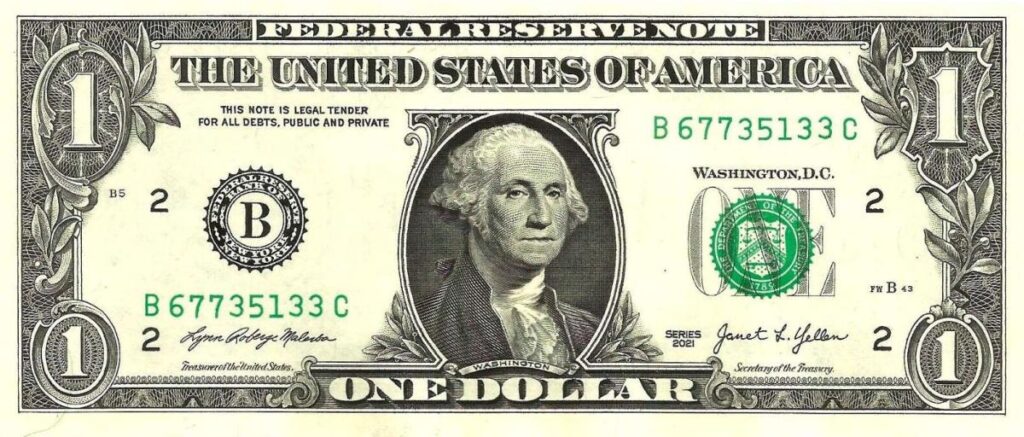
House Bill H.R. 3074: Proposed Changes in the Nickel’s Composition
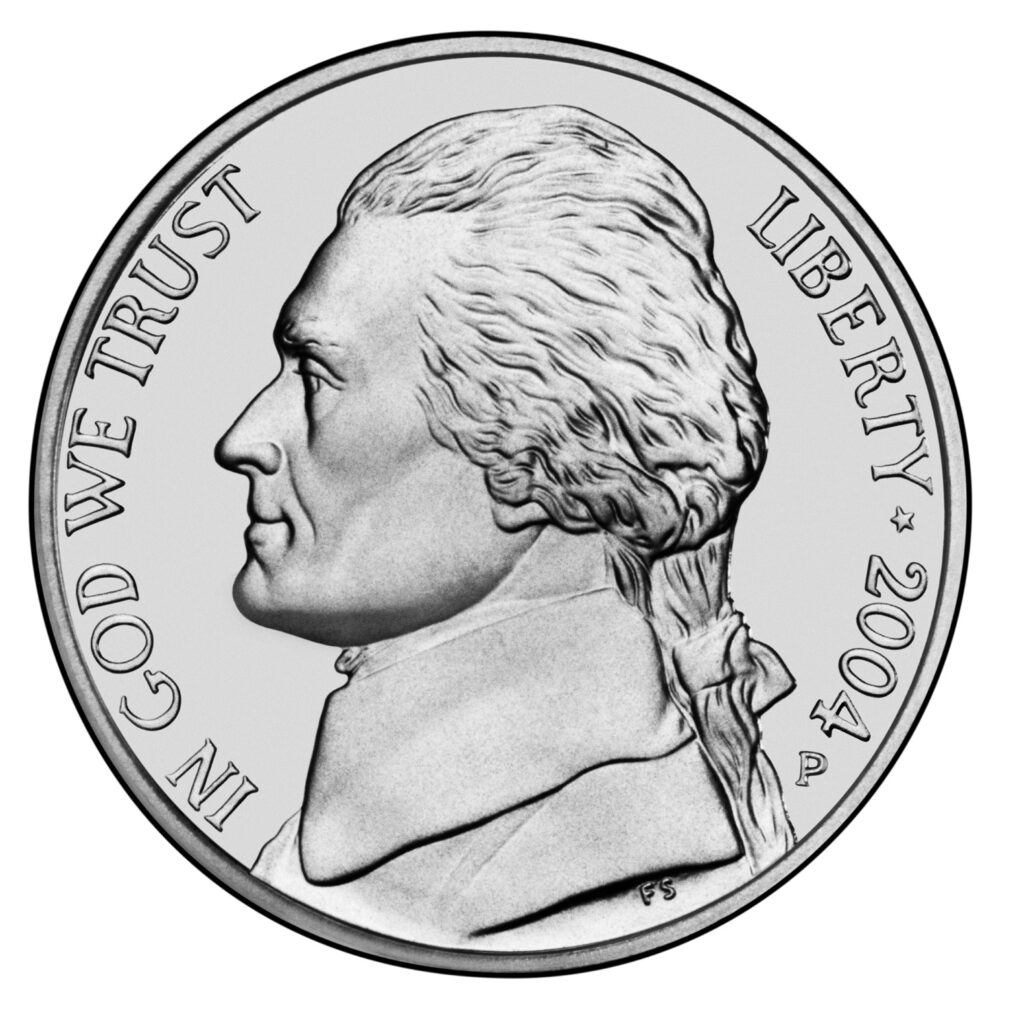
For the first time since the nickel was introduced in 1866, 161 years ago as the Shield Nickel, Congress is hoping that by changing the composition, the 5-cent piece won’t suffer the same fate as the lowly cent. From the beginning the nickel has had a composition of 75% copper and 25% nickel.
The proposal suggests an outer layer of nickel bonded to an inner core of zinc. The weight will remain similar to the current coin so that there will be no adverse affect with use in vending machines – IF you can find a vending machine that still accepts nickels, that is.
According to the U.S. Mint’s Annual Reports, the 2023 cost per 5-cent coin was 11.54 cents; in 2024, 13.78 cents; and 2025, 13.31 cents.
2026 Quarter 250,000-Coin Treasure Hunt
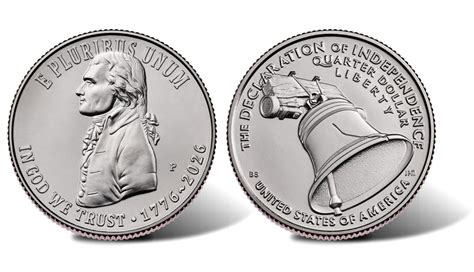
The United States Mint has announced that it will produce 250,000 special 2026 Declaration of Independence quarters with a “July 4th” privy mark. It’s another way for the Mint to help celebrate our country’s 250th birthday. Better yet, collectors will not find them in a standard Mint product, they can only be found in circulation. Basically this becomes a national treasure hunt.
NGC is putting a bounty on the July 4th Privy Declaration of Independence Quarter. The first person to submit the Declaration of Independence Quarter featuring the “July 4th” privy mark to NGC for grading will receive an award of $2,500 cash, but you must have a collector’s account with NGC.
2008-W Burnished Silver Eagle Reverse of ’07
In 2008, the US Mint unknowingly released an American Silver Eagle variety, the burnished 2008-W Reverse of 2007. It was only after the coins were in circulation that this error was discovered. The variety is the result of the prior year 2007 reverse die being paired with the 2008 obverse die. John Nanney from Georgia is credited with discovering the variety in April of 2008.
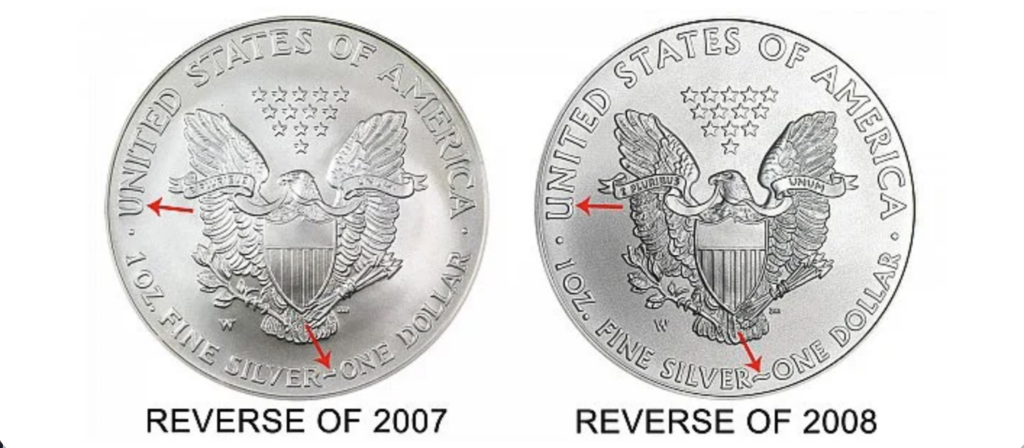
There are two aspects on the reverse of the coin that distinguishes this reverse of 2007 variety: The “U’ in “UNITED STATES” lacks a serif, and the dash between the words “SILVER” and “ONE” is shaped like a tilde.
The Mint found that fifteen 2007 reverse dies were mistakenly used creating 46,318 coins minted. This is only an estimate, the Mint figures each of the fifteen dies struck approximately 3,000 coins. The total mintage of 2008-W Silver Eagles was 20,583,000.
This variety is estimated to be worth 4-5 times the value of regular 2008-W burnished Silver Eagles.
Only a Numismatic Fool Would Miss

Our next club meeting which is only a few days away, April 2
You may learn something new, and have fun doing it
Don’t be a numismatic fool!
Please remember our young friends from Xenia, the Legacy Knights. They are having their end- of-the-year auction and any numismatic item that you could contribute to the auction lots would be appreciated. Let’s support the future of coin collecting!
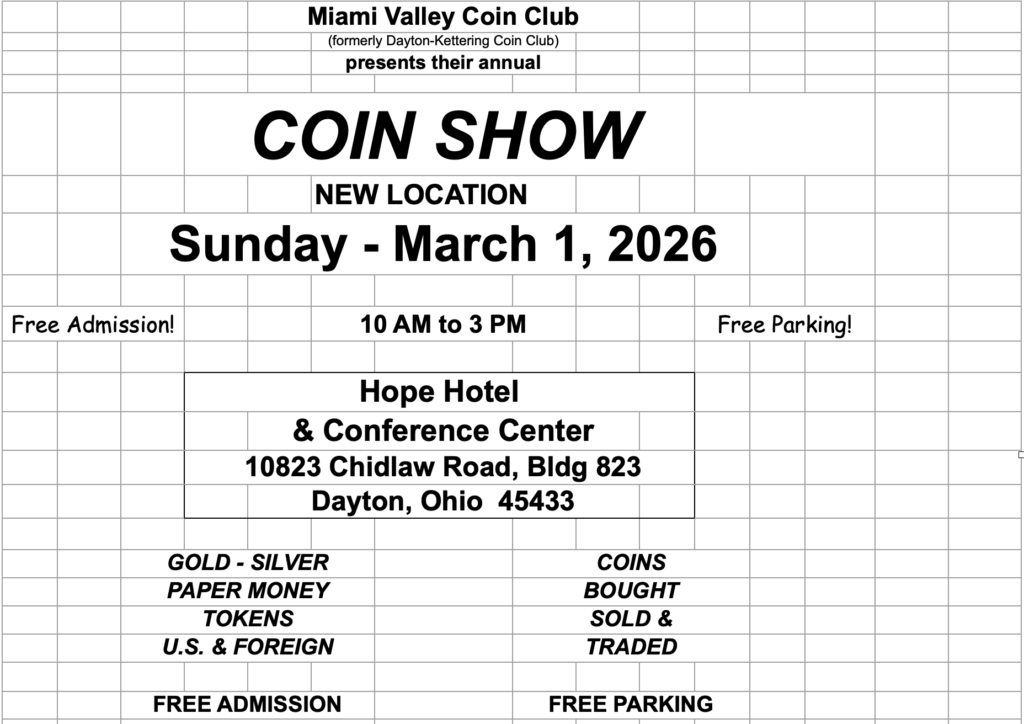
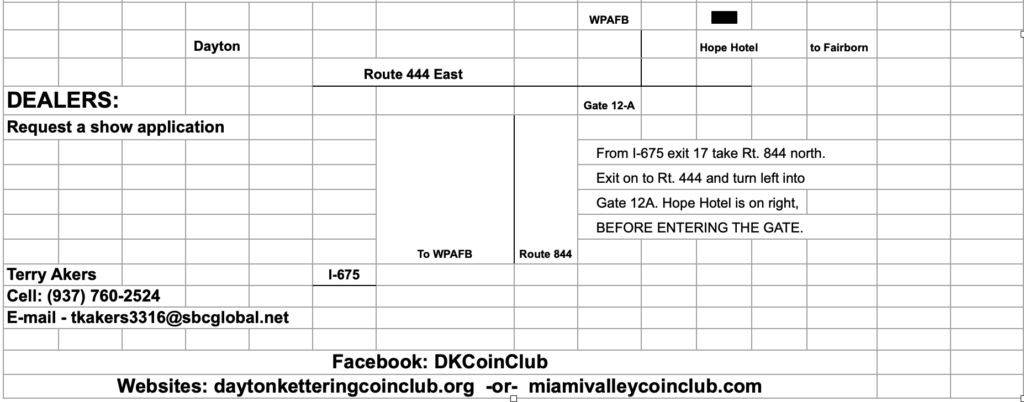
Merry Christmas Coin Collectors

Wishing you and yours a VERY MERRY CHRISTMAS!
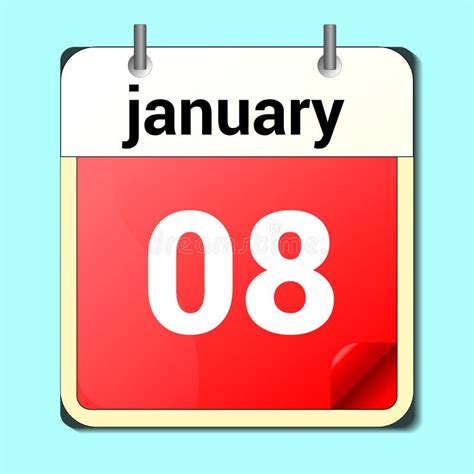
See you on January 8th for our first club meeting of 2026!
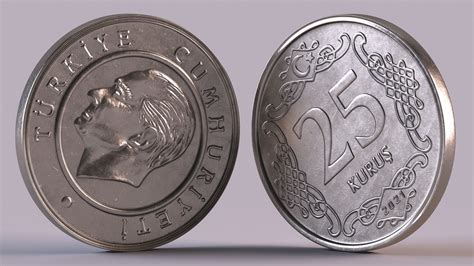
Canada’s Unexplained Phenomena Coins
The Royal Canadian Mint’s Phenomena Coin series was began in 2018. The creation of these rectangular-shaped $20 coins is inspired by strange UFO events that have taken place in Canada. Each coin employs glow-in-the-dark technology that reveals hidden images when viewed under a black light. Each coin comes encapsulated in a custom case

2021 Canada Phenomena Coin
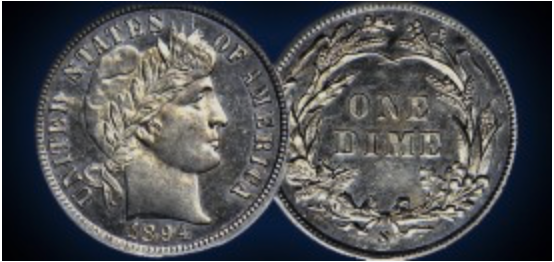
The 1894-S Barber Dime
The 1894-S dime is perhaps the rarest business strike coin ever produced by the US Mint.
Mint records report that only 24 coins were struck. It is believed that only 10 have survived. The book “The 100 Greatest United States Coins” rated the 1894-S dime as the sixth most desirable coin ever struck.
One rumor has it that only that many were produced to balance the “books” and a “testing of the dies”.
Another rumor says that the superintendent of the San Francisco Mint, John Daggett, struck 24 pieces, all proofs, as a favor for his banker friends. He gave 3 of these coins to his daughter, Hallie, telling her to put them away until 1954 when she was his age and then sell them for a good price. Not heeding her father’s advice, she supposedly used one to buy a dish of ice cream. In 1954 she was said to have sold the remaining two to coin dealer Earl Parker. These two dimes were eventually purchase by Louis Eliasberg.
Greatest US Coins ahead of the 1894-S dime:
- 1804 dollar
- 1913 Liberty nickel
- 1933 Saint-Gaudens double eagle
- 1849 Coronet double eagle
- 1907 Ultra High Relief double eagle
2025 Laser Engraved ASE on Sale Aug 20
This will be the first America Eagle Silver Proof minted using laser engraved die.
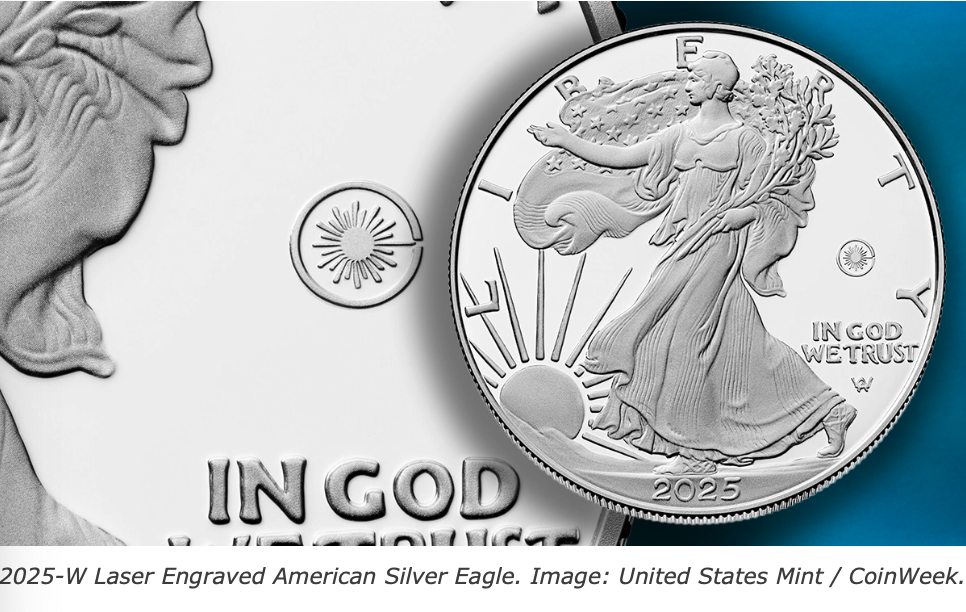
It will have a special privy mark to the left of Lady Liberty and will be limited to 100,000 coins. It goes on sale August 20, 2025 at the Mint’s sales centers. Looking on ebay, a seller is offering one for $350.
July 2025 Cincinnati Coin Expo
The expo runs the 25th (10am-6pm) & 26th (10am-3pm) at the Sharonville Convention Center. Highlights include:
125 dealer tables. ANACS Grading Service, Supply Dealer, Numismatic Book Give-aways, Gold Coin Raffle, Club elongated pennies, a young Numismatist Treasure Hunt, Coin striking demonstrations, and President Lincoln himself (A photo with the Pres. would make a great keepsake).
Attracting Young Collectors
Whitman Publishing is preparing to release a new book, Kids Love Coins. It contains 32 pages of educational content and will target youngsters ages 3 and up.
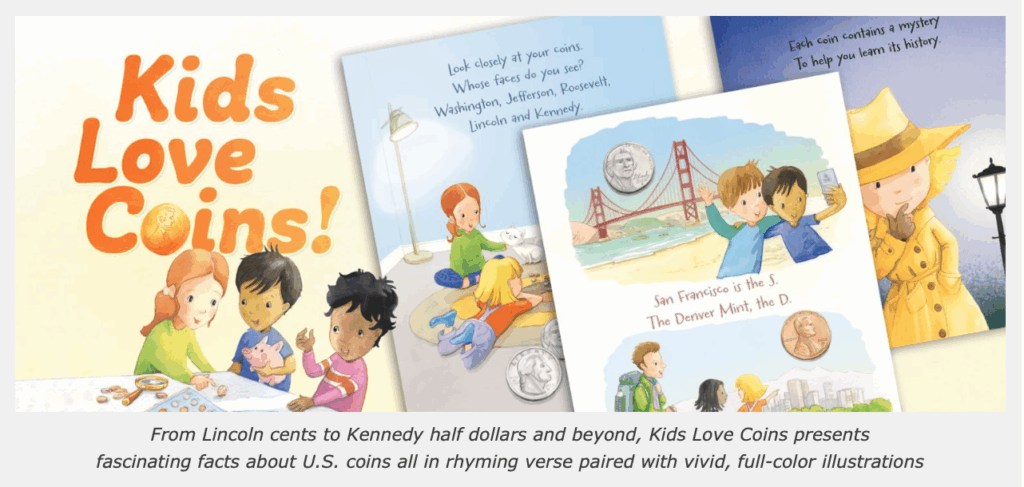
The topics include information from Lincoln cents to Kennedy half dollars with many illustrations. If you have younger children or grandchildren, this may be a great opportunity to spark their interest in coins and U.S. history.
Medals and Coins Celebrating U.S. Centennials
Our country’s 50th birthday celebration occurred on July 4, 1826. There were a few items made to honor the event, but perhaps the strangest thing that happened was that both Thomas Jefferson and John Adams, founding fathers and past presidents, died on that very day.
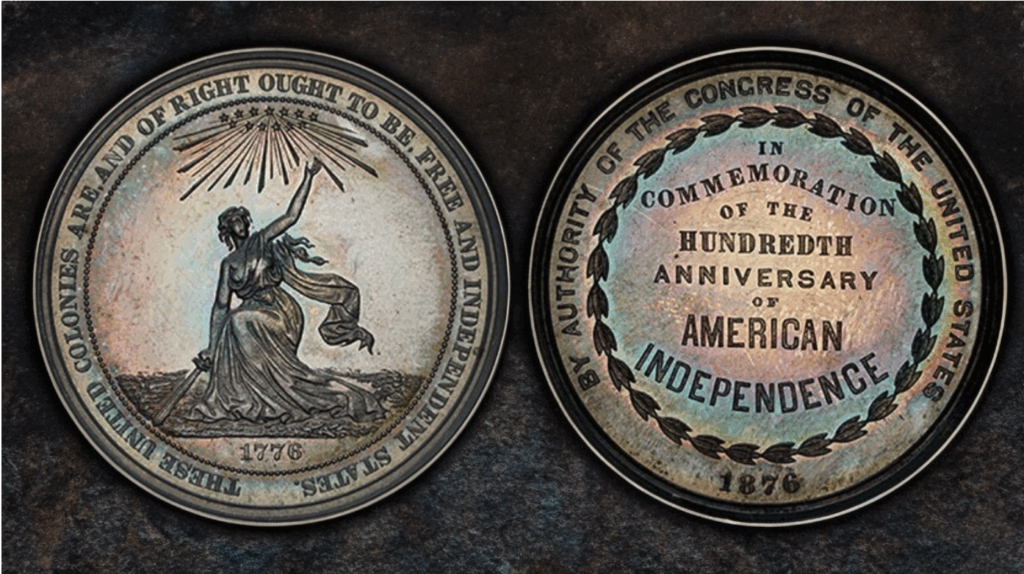
For our 100th birthday in 1876, many medals were struck to honor the occasion and there was a world’s fair in Philadelphia, the Centennial International Exhibition.
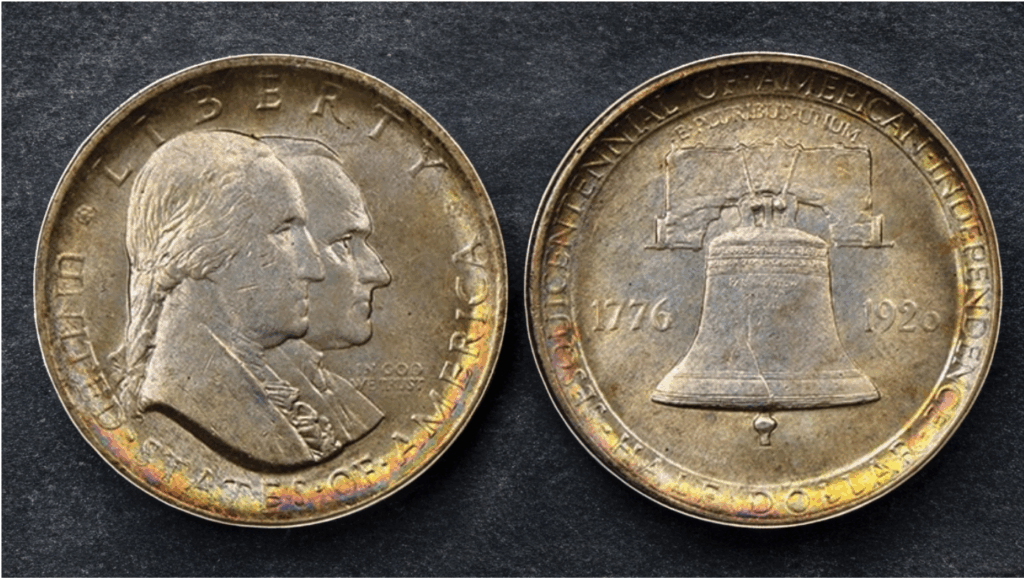
In 1926, for our 150th celebration, a pair of commemorative coins were struck, the 1926 Sesquicentennial Half and the 1926 Sesquicentennial Quarter Eagle.
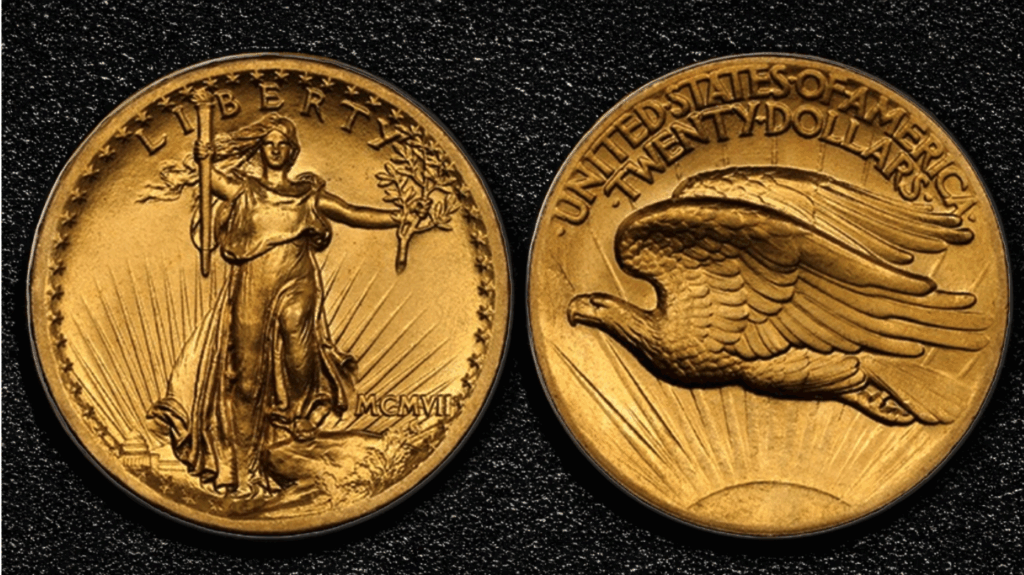
In 1976, the Mint struck bicentennial quarters, halves, and Eisenhower dollars.
Good Can Come From Acts of Spite
A man in Richmond, Virginia, decided to make his final child support payment by dumping 80,000 pennies in front of his ex-wife and daughter’s home. The daughter, who had just turned 18 years old, and her mother chose to transform this act of spite into an opportunity to spread kindness.
The two donated every cent—totaling $800—to Safe Harbor, a local shelter for victims of domestic and sexual violence. Turning around and donating that money to moms and children in need turned a spiteful situation into a positive one.
The story went viral and inspired multitudes of people to pay it forward. Safe Harbor reported a surge in donations from across the nation and even internationally, surpassing $47,000.
This goes to show that a coin’s value isn’t always determined by its rarity, condition, or provenance. History you can hold in your hands certainly has its place in numismatics, but humanity you can hold in your heart has a place everywhere.

U.S. Army Bicentennial
On June 14, 1775 the Continental Army was formed to fight for our country’s independence. Of the 6 branches of our armed forces, the army is the oldest and the largest.
In 1975, the Mint produced a 3-inch bronze medal to celebrate the Army’s bicentennial.

1925 Lexington Commemorative
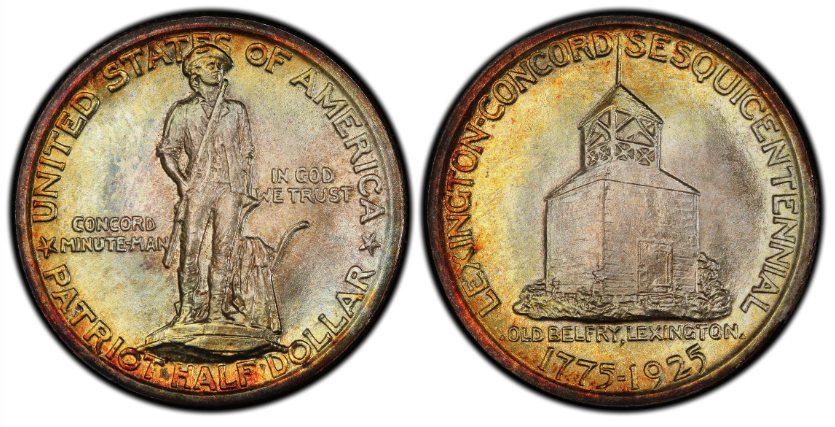
Saturday, April 19th, is the 250th anniversary of “The Shot that was Heard ‘Round the World”, the beginning of 13 colonies fight for freedom from King George III and England. The battle kicked off the American Revolutionary War.
Tensions had been building for many years between residents of the colonies and British authorities. The night before, hundreds of British troops marched from Boston to Concord in order to seize the colonists’ weapons cache. Paul Revere, and other Sons of Liberty, began their famous rides, giving the colonists time to mobilize against the British. The signal was to be one lantern in the Old North Church if the British were coming by land, and two lanterns if they were coming by sea.
The fighting started off on the Lexington town green, and even today no knows who shot first. When the shooting stopped, eight militiamen lay dead, nine more were wounded. Only one British soldier was wounded.
The British continued on to Concord but the weapons had already been relocated. The militiamen hurried to Concord’s North Bridge and began trading volleys with British soldiers. It wasn’t long before the British troops beat a hasty retreat.
President Calvin Coolidge authorized the 1925 Lexington Commemorative, which celebrates the Sesquicentennial of the battles at Lexington and Concord. The obverse features a Minuteman soldier with his rifle, the reverse features the Old Belfry at Lexington, Massachusetts. 162,099 were struck and only 86 were not sold or distributed.
Trump Considers Selling Fort Knox Gold
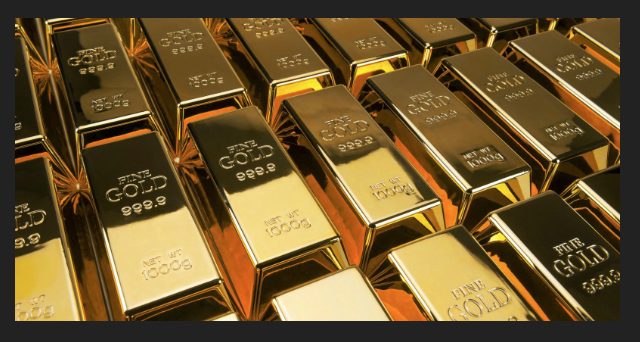
With gold reaching just over $3,110 per ounce, President Trump is considering sell all of the gold in Fort Knox, this according to an Associated Press report.
At present, America’s reported holding in gold is 8,133.46 metric tons. One metric ton is equal to 35,274 ounces. That comes to 286,899,668.04 ounces, or at today’s price of gold, $892,257,967,604.40.
What would happen to the price of gold if that many ounces came onto the market?
Clubs and Associations
- American Numismatic Association
- American Numismatic Society
- British Numismatic Society
- Central Ohio Numismatic Association
- Central States Numismatic Society
- Florida United Numismatists
- Numismatic Society of India
- the Cincinnati Numismatic Association
- The Royal Canadian Numismatic Association
- The Royal Numismatic Society
Coin Links
- Boy Scouts Merit Badge
- Buffalo Nickels
- Bureau of Engraving and Printing
- Calculate your coin's gold, silver, or metallic worth
- Coins & Currency in Colonial America
- David Lawrence Rare Coins Reference Library
- Dayton Metro Library – Coin Books
- Fixing PVC damage
- Indian Head Cents
- Legandary Coins and Currency from the Smithsonian
- Medalblog
- Mints of the World
- Monnaie de Paris
- NapoleonicMedals.org
- raregoldcoins.com
- Royal Canadian Mint
- Smithsonian Institution Collection
- Starting a coin collection
- The Kittredge Collection
- The Perth Mint
- The Pobjoy Mint
- The Princeton University Numismatic Collection
- The Royal Mint
- United States Mint
- University of Virginia Coin Collection
- Where is my coin from?
- World Banknotes
Coin News
Miami Valley Coin Dealers
Speciality Clubs
- American Tax Token Society
- Barber Coin Collectors' Society
- Dayton Diggers Metal Detecting Club
- Early American Coppers
- Encased Collectors International
- Fly-In Club
- Liberty Seated Collector's Club
- Medal Collectors of America
- National Token Collectors Association
- Numismatic Bibliomania Society
- The Bust Half Nut Club
- The Civil War Token Society
- The Colonial Coin Collectors Club
- The Elongated Collectors
- The John Reich Collectors Society
- The Society of Paper Money Collectors
- The Token and Medals Society
- Unrecognised States Numismatic Society
- Worldwide Bi-Metallic Collectors Club